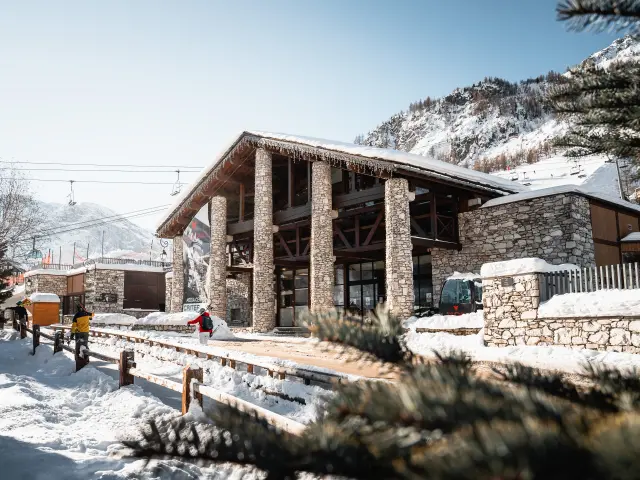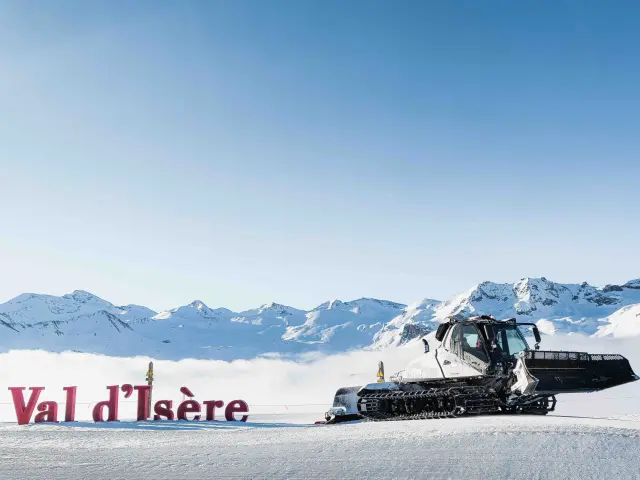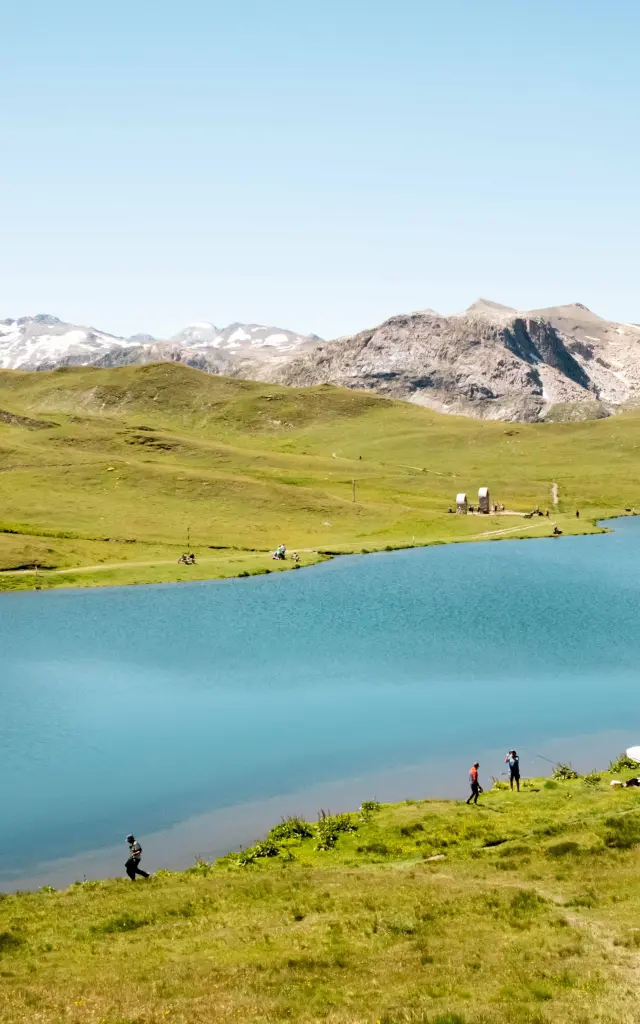

Magnificent winter view of Val d'Isère village and ski area
©

Magnificent winter view of Val d'Isère village and ski area

|

Andy Parant

Val d'Isère Responsible tourism

In Val d’Isère, our commitment to the mountains is part of everyday life.
Environmental conservation, quality of life, solidarity, innovation: the resort is taking concrete action to build a sustainable, attractive and vibrant region, for today and for tomorrow.

A community-minded village for today and tomorrow

In the face of environmental, climate and social challenges, the village of Val d’Isère is taking concrete steps to preserve its local area, enhance the quality of life for local residents and offer a sustainable experience to those who visit.

This approach is based on collective action: the local council, Val d’Isère Tourisme, Société Val d’Isère Téléphériques, local businesses, community organisations and residents are all working together.
It is being built over the long term, through strategic decisions, practical initiatives on the ground and a shared determination to bring about change in practices.

This page brings together the commitments made collectively across the region, through concrete actions and a shared determination to shape the future of the mountains.
Green Snowflake Label A challenging framework for a comprehensive approach

The Green Snowflake is a recognised label that recognises mountain destinations committed to a comprehensive approach to sustainable development.
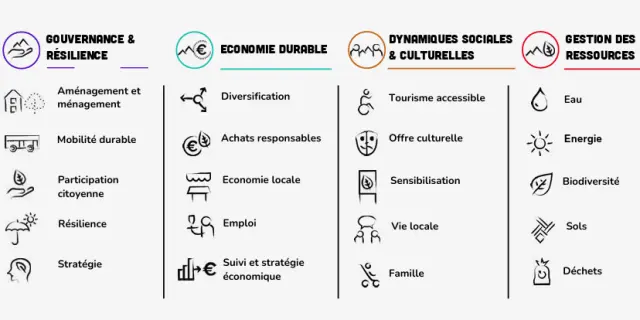
It is not limited to the environment: it takes into account local life, the economy, governance, culture, accessibility and the management of natural resources.

The 20 criteria of the framework Green Snowflake

The Flocon Vert criteria make it possible to:

  • structure public policy,
  • to measure commitments over time,
  • and to ensure consistency between stated intentions and actions taken on the ground.

In Val d’Isère, these criteria serve as a guiding principle.
They help to structure initiatives, measure progress and ensure consistency between stated ambitions and actions carried out on the ground.

An approach structured around Two main areas

Val d’Isère’s transition strategy is based on two complementary pillars, which reflect a comprehensive vision of sustainable development in mountain areas.

Priority 1

Promoting a village that serves its residents

Priority 2

Aiming for more sustainable development

Theme 1 Promoting a village serving its residents

A village taking shape together with its inhabitants

Being a responsible destination means, first and foremost, being a village where life is good all year round.
This priority area brings together initiatives that strengthen local life, inclusion, citizen participation and the local economy, whilst encouraging civic engagement.

Governance & Resilience

Citizen participation

Residents, seasonal workers and visitors are invited to get involved in the life of the local area and its transition:

Sustainable economy

Local economy

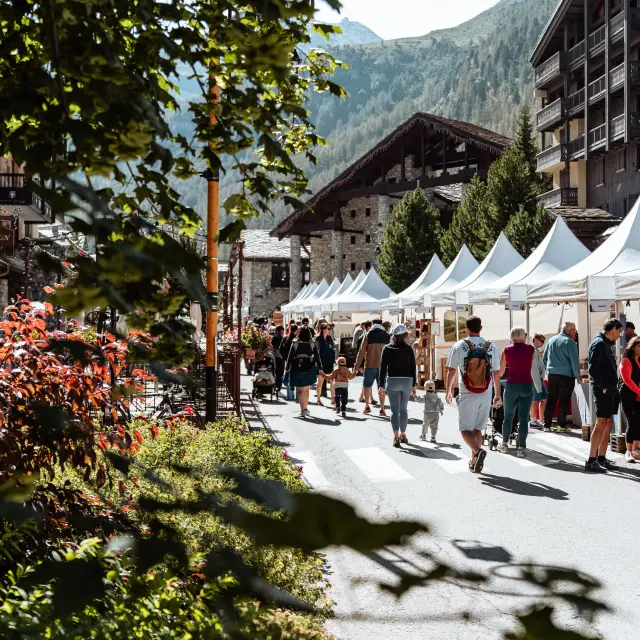
Val d’Isère actively supports short supply chains and local expertise.

Sustainable economy

Employment

The region is taking action to improve working and living conditions for employees.

  • Housing is provided for permanent and seasonal staff.
  • Shuttle bus and car-sharing schemes make commuting easier.
  • Awareness-raising initiatives support teams as working practices evolve.

People are at the heart of the transition.

Sustainable economy

Diversification

Val d’Isère is developing a diverse range of attractions that go beyond skiing. Summer entertainment, cultural events, outdoor activities, festivals and heritage tours enable us to:

  • Offer a year-round experience,
  • Support the local economy throughout the year,
  • Showcase the mountains in all their glory.

Social and cultural dynamics

Cultural offerings

Culture contributes to the transmission of heritage, social cohesion and the promotion of the local area.

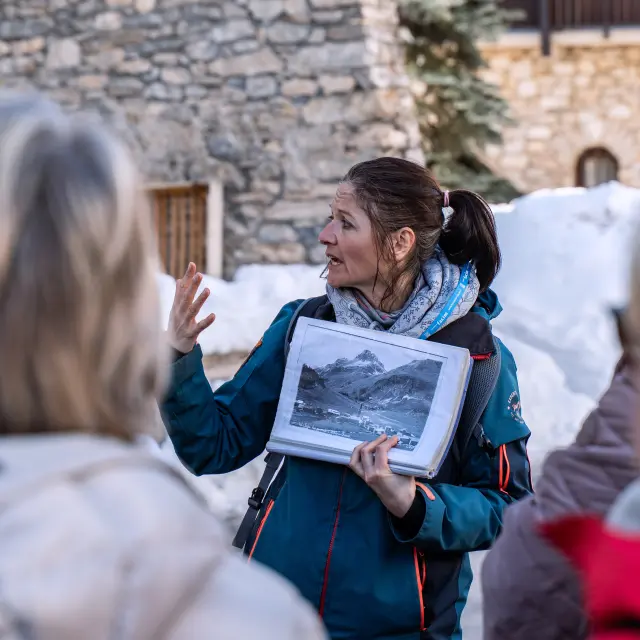
  • Guided heritage tours are available through FACIM.
  • The Foire Savoyarde Avaline showcases local traditions.
  • Screenings of documentary films raise awareness of the challenges facing mountain communities.
  • Cultural events open to all take place throughout the year.

Social and cultural dynamics

Local life

Maintaining a vibrant local community is essential to the village’s balance.

  • Preferential rates make it easier for residents and seasonal visitors to take part in activities.
  • A local magazine keeps people informed and fosters a sense of community.
  • Greening public spaces improves the quality of life.
  • Local organisations are supported in their activities.

Social and cultural dynamics

Family

As a ‘Famille+’ accredited resort, Val d’Isère offers a range of activities designed with families in mind.

  • Activities are organised for children and their parents.
  • Schools run educational projects focusing on the environment.
  • Access to activities is made easier for everyone.

Theme 2 Aiming for a development plan more sustainable

This second priority area concerns spatial planning, the conservation of natural resources and the reduction of the resort’s environmental footprint.

Governance & Resilience

Planning & Conservation

Planning projects incorporate climate and environmental considerations:

  • The revision of the Local Urban Development Plan (PLU) takes account of climate, environmental and social diversity issues.
  • Public buildings are undergoing a phased programme of energy-efficiency refurbishments to reduce their environmental impact.
  • Green spaces are maintained using environmentally friendly practices, such as manual weeding and mulching.
  • Infrastructure that has become obsolete is being removed to minimise its visual and landscape impact.

Governance & Resilience

Sustainable Mobility

Val d’Isère is developing alternatives to private cars:

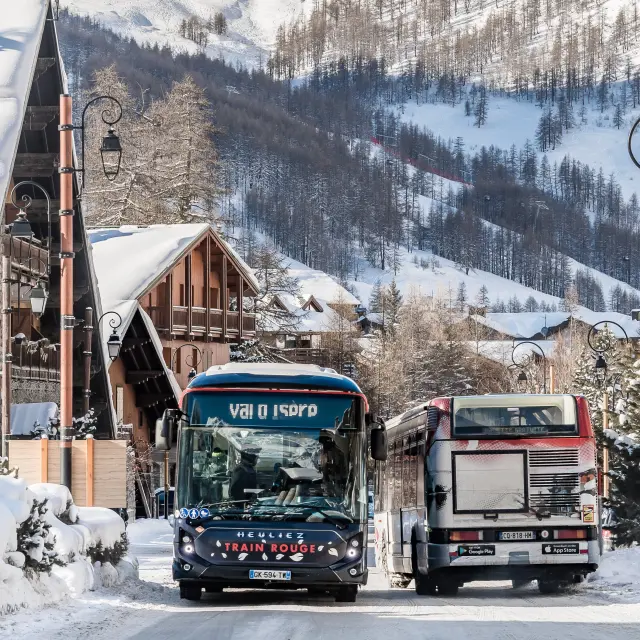
  • Regular shuttle services run between Val d’Isère and Tignes and Bourg-Saint-Maurice, in both winter and summer.
  • The fleet of buses and snow groomers is gradually being converted to lower-emission powertrains (HVO and then electric).
  • Charging points for electric vehicles are being installed in the village car parks.
  • Daily car-sharing is encouraged through incentive schemes.
  • The speed limit in the village is 30 km/h to promote a calmer, more relaxed way of getting around.

Governance & Resilience

Strategy

The transition is underpinned by structured governance, monitoring tools and continuous improvement.

  • Carbon assessments enable us to measure impacts and guide our actions.
  • Certifications and recognised schemes (ISO standard, Destination d’Excellence) provide a framework for our practices.
  • The quality of hospitality and services is an integral part of the region’s responsibility; find out more about our quality commitments.
  • Safety within the resort is considered a fundamental commitment to visitors.
  • These initiatives are regularly monitored using indicators and assessments.

Governance & Resilience

Resilience

The station anticipates the effects of climate change through:

  • Monitoring stations enable the resort to track changes in biodiversity and water resources.
  • Diversification of activities helps to strengthen the region’s ability to adapt.
  • A strategy of gradual adaptation supports long-term changes.

Sustainable economy

Responsible procurement

Procurement policies incorporate environmental and social criteria:

  • A responsible procurement charter guides departmental practices.
  • The use of recycled or certified paper is prioritised.
  • The reuse and recycling of materials are encouraged.
  • Events are organised in accordance with environmentally responsible principles.

Social and cultural dynamics

Awareness-raising

Informing people and inspiring them to take action is an integral part of the approach.

  • Themed walks offer the chance to discover the local flora and fauna.
  • Events are organised in partnership with the Vanoise National Park.
  • Communication campaigns encourage responsible behaviour.
  • Educational projects are aimed at both schoolchildren and the general public.

Social and cultural dynamics

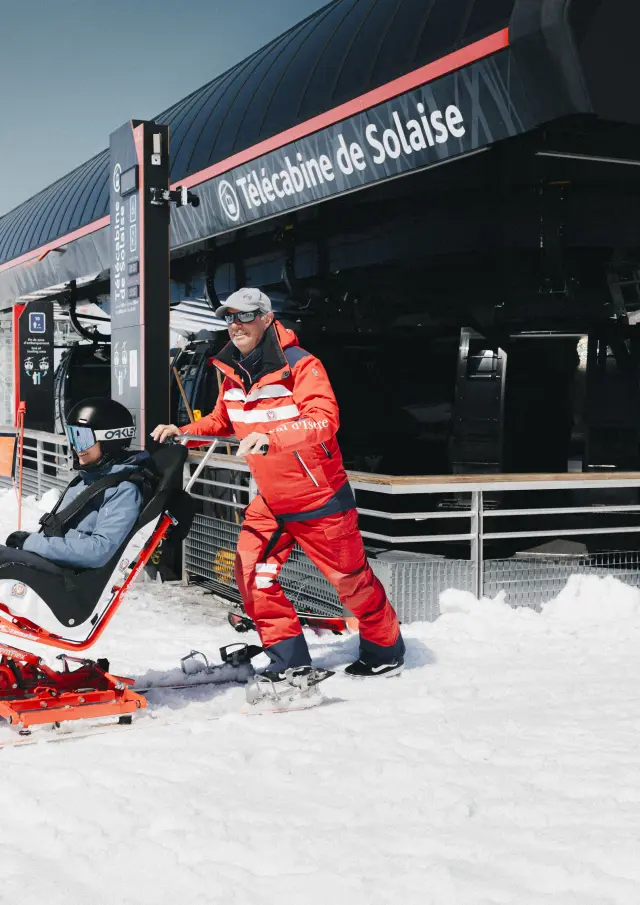
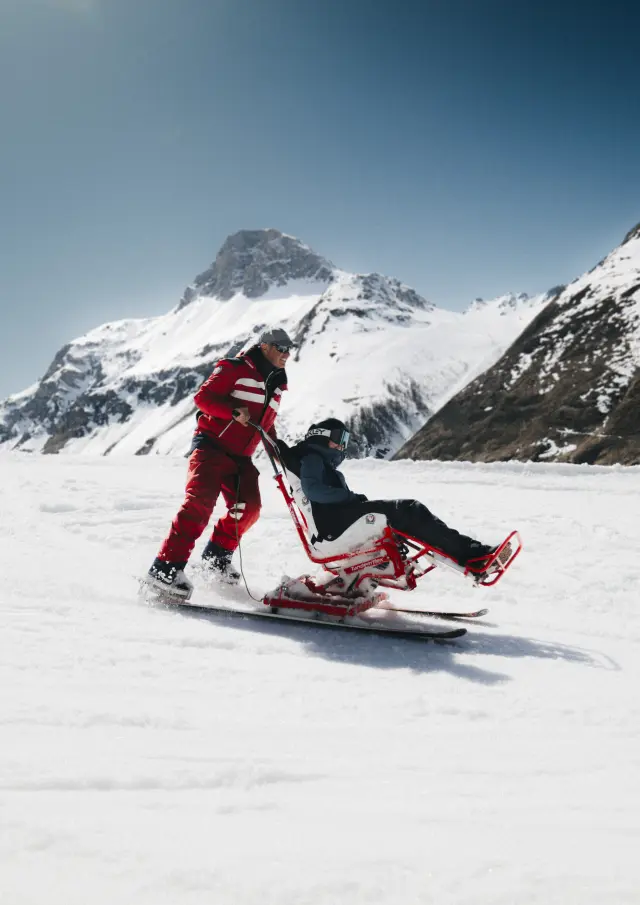
Accessible Tourism

Accessibility is fully integrated into the tourism strategy.

Resource management

Water

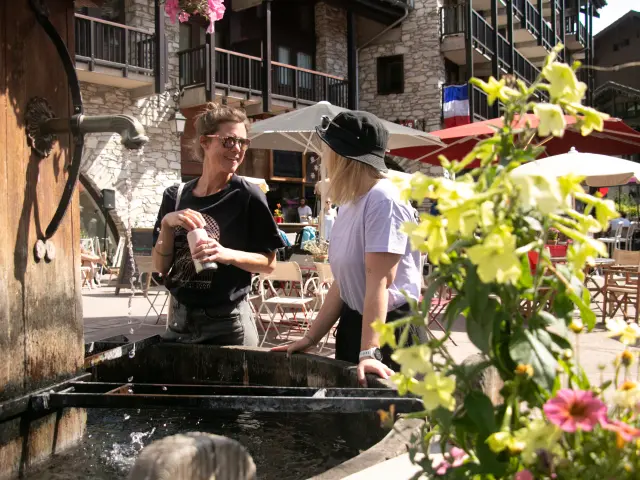
Water management is based on sensible use and a detailed understanding of the resource.

  • Juste Neige’s policy helps to optimise consumption.
  • The supply of drinking water is secure.
  • Monitoring stations track changes in the resource.
  • Irrigation practices are adapted to local conditions.

Resource Management

Energy

Reducing energy consumption is a key challenge.

  • Buildings are undergoing gradual energy-efficiency refurbishments.
  • Most street lighting is now fitted with LEDs.
  • Renewable energy sources are being developed.
  • Energy efficiency is encouraged in everyday life.
  • The Val d’Isère Tourisme website has been designed in accordance with eco-design principles.

Resource management

Soils

Soils are protected through appropriate practices.

  • Wetlands are regularly restored.
  • Sensitive habitats are maintained and monitored.
  • Land sealing is minimised in development projects.

Resource management

Biodiversity

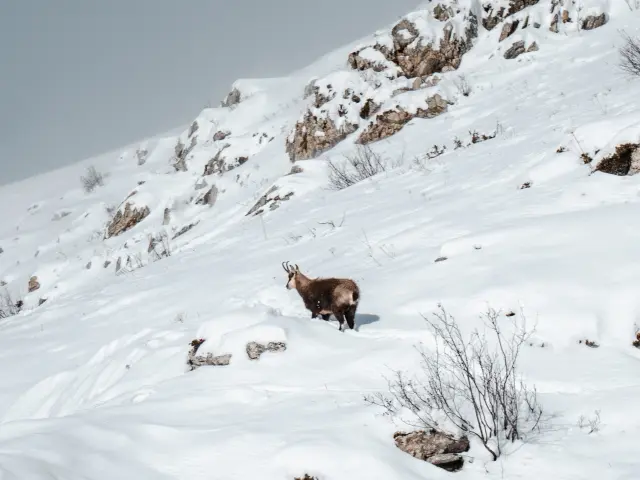
The conservation of natural habitats and species is a priority.

  • Quiet zones protect sensitive wildlife.
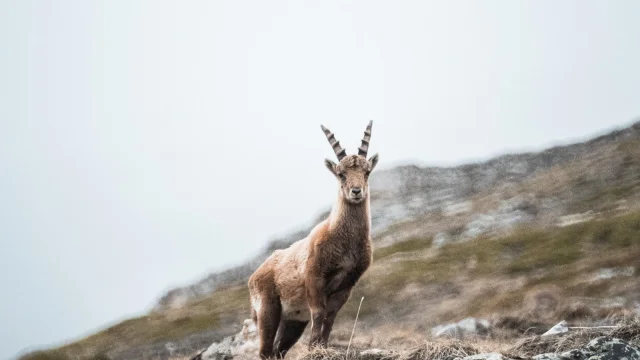
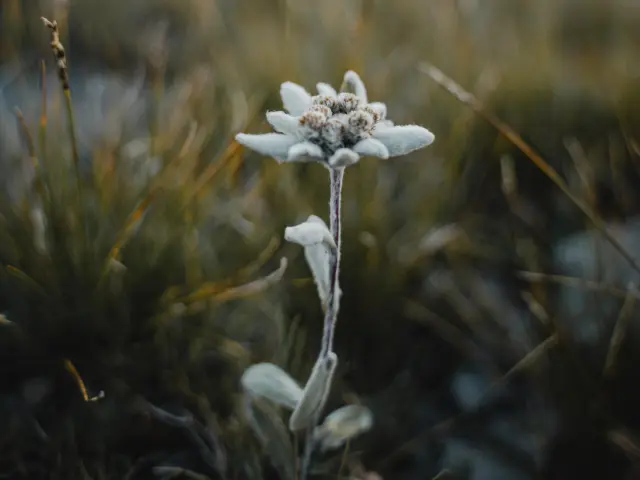
  • Iconic species, such as the bearded vulture and the black grouse, are the subject of specific measures.
  • Natura 2000 and ZNIEFF sites are monitored and promoted.
  • A Real Environmental Obligation provides long-term protection for 60 hectares.
  • Monitoring stations help to better understand and track biodiversity.
  • The thousand-year-old Swiss stone pine is recognised as a ‘Remarkable Tree of France’.

Resource management

Waste

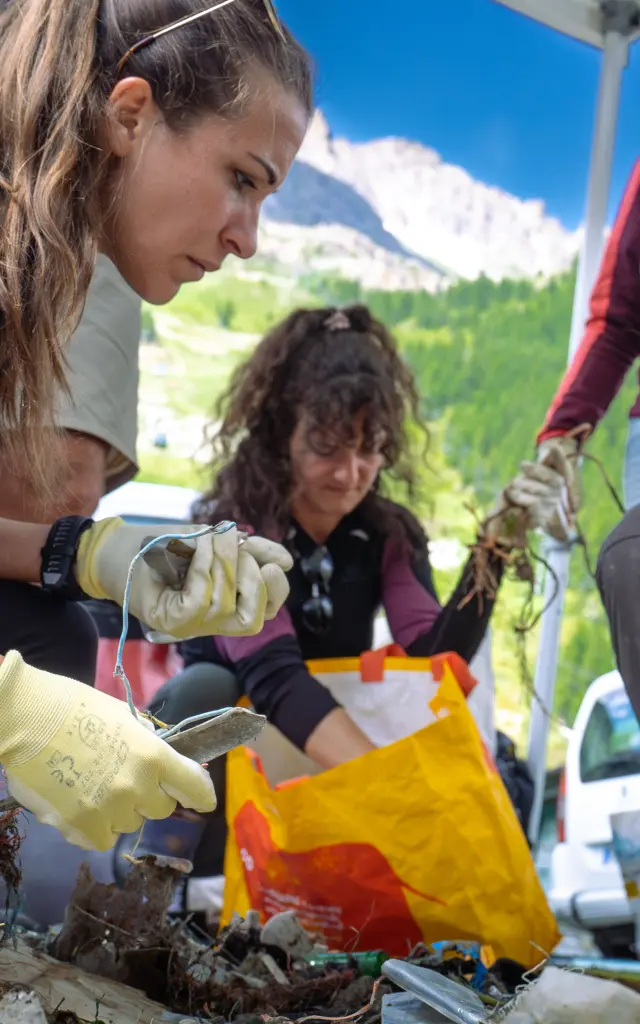
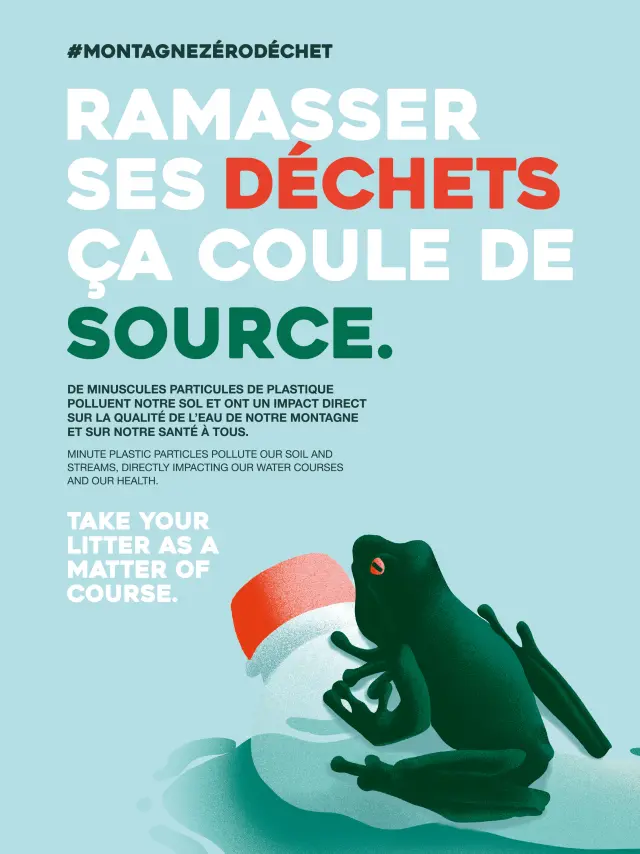
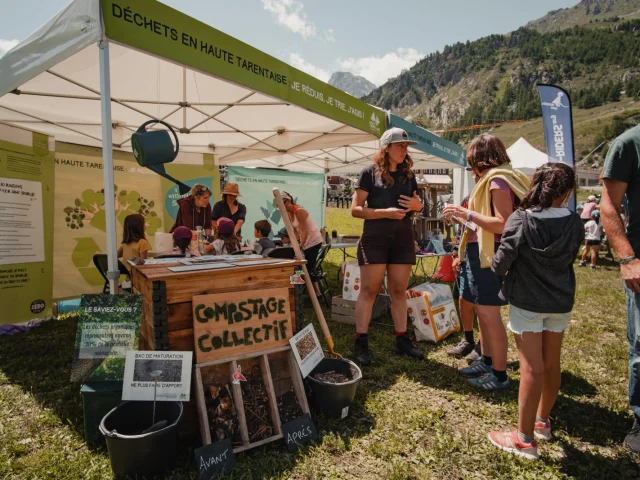
Waste reduction forms part of the ‘Zero Waste Mountains’ initiative.

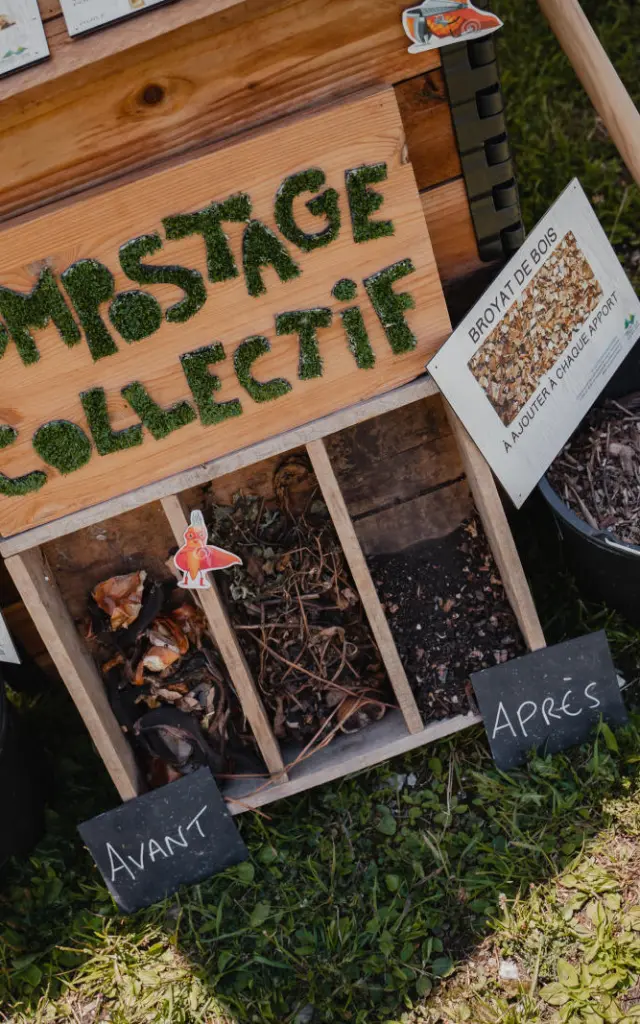
  • Waste sorting and composting are being promoted across the region.
  • The reuse and recycling of materials are encouraged.
  • Events are organised with particular attention paid to waste management.
  • Ski pass materials are collected and recycled.
  • Residents, visitors and local businesses are made aware of best practices.

Working together for the mountains

Being a responsible destination means being willing to scrutinise one’s practices, measure one’s impact and move forward together.

In Val d’Isère, this transition is being built over the long term, with rigour, humility and enthusiasm.

Every action, whether small or far-reaching, contributes to the same goal: to preserve the mountains, strengthen human connections and continue to make Val d’Isère a place offering a unique and sustainable experience.

Discover Our commitments Initiatives led in Val d’Isère


Every day, these commitments are brought to life through concrete actions carried out across the destination.