©

Matthieuheidi Atcamp Desktop

|

Under Antarctica

Val d'Isère is supporting polar science By joining forces with the Under Antarctica expedition

Val d’Isère is joining forces with an extraordinary expedition: Under Antarctica, the first kite-ski expedition to cross Antarctica, supporting polar science.

A one-of-a-kind scientific and human adventure

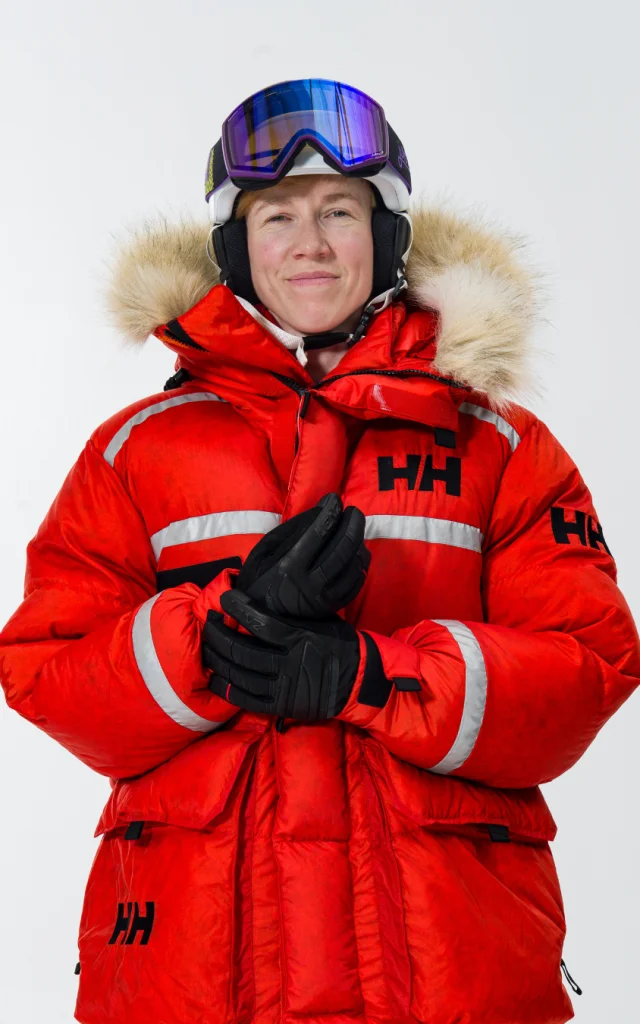
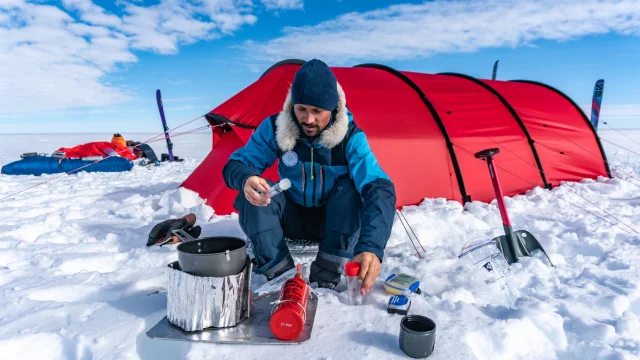
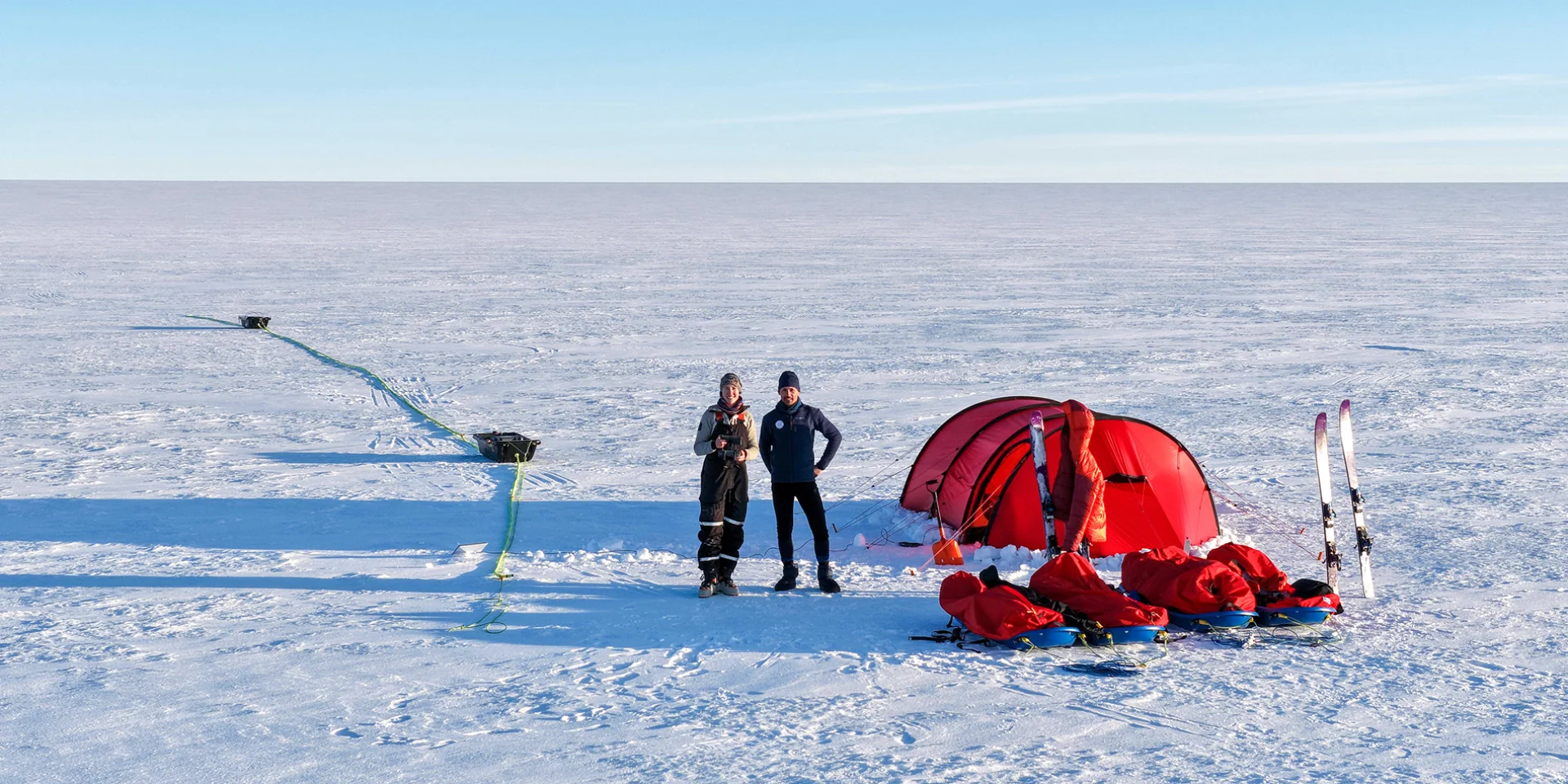
Explorer, Matthieu Tordeur and glaciologist Dr Heïdi Sevestre, driven by the same thirst for exploration and knowledge, set off on 3 November 2025 to cross the 4,000 km of this ice cap.

Their mission, under the aegis of UNESCO and supported by the French President, is to map the depths of the White Continent using ground-penetrating radar. The ultimate goal is to better understand glacial dynamics and anticipate the effects of climate change.

With the looming collapse of West Antarctica’s ice sheet and the potential for a 4-metre rise in sea levels, this expedition is both a technical triumph and a powerful platform for raising awareness. It represents a union of adventure, research, and dedication in confronting the challenges of climate change.
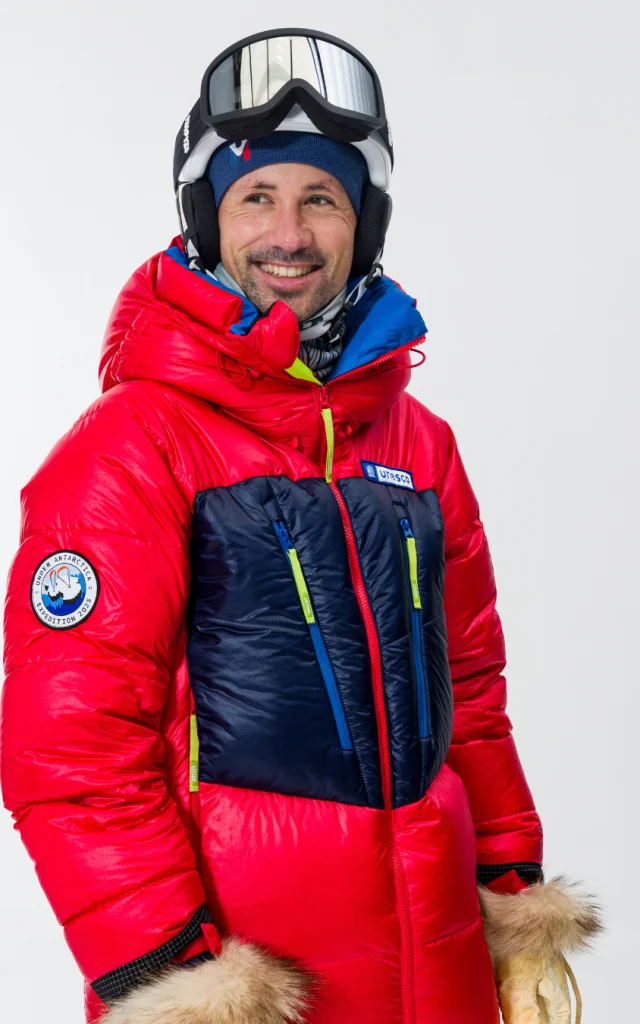
Val d'Isère Partner mountains of the Under Antarctica mission

A shared belief

As the only mountain destination partnering with this expedition, Val d’Isère is reaffirming its vision of a living, conscious mountain environment that actively contributes to positive change.

This partnership reflects the values shared by our destination and the explorers involved: commitment to excellence, team spirit, respect for the natural world, and the pursuit of pushing boundaries.

Supporting this expedition is a way of expressing a simple conviction: mountain communities have a vital role to play in advancing climate knowledge and helping to protect our environment” said Patrick Martin, Mayor of Val d’Isère, at the launch of the project.


Practical initiatives to educate and raise awareness

Val d’Isère supported the expedition beyond the polar fieldwork through a range of local and educational initiatives:

  • An educational programme with Val d’Isère Primary School: pupils from Years 4 to 6 (CE2 to CM2) explored climate issues and polar science through dedicated learning materials and inspiring role models, including glaciologist Dr Heïdi Sevestre as part of the Girls and Maths/Science programme.
  • The International Adventure and Discovery Film Festival: the expedition was highlighted during the 2026 edition, with explorer Matthieu Tordeur, a member of the festival jury, sharing insights from the field and presenting data collected in the heart of Antarctica.

Expedition highlights 80 days of adventure

Southern Pole of Inaccessibility

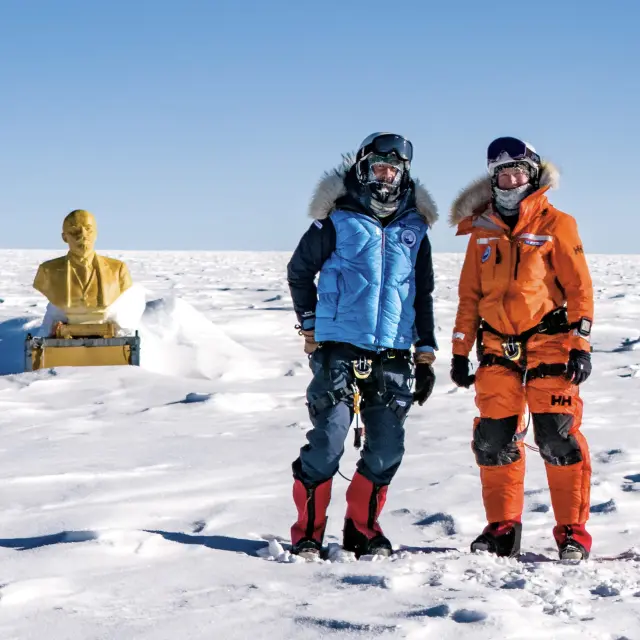
After 42 days of expedition travel and nearly 1,800 kilometres covered, Heïdi Sevestre and Matthieu Tordeur reached the South Pole of Inaccessibility, one of the most remote locations on Earth. This milestone marks a major achievement for the expedition: it is only the fifth expedition in the world, and the first French one, to reach the site by kite-ski. To the best of our knowledge, Heïdi Sevestre also became the first woman ever to reach the Pole of Inaccessibility using this mode of travel. Once on site, the explorers deployed their ground-penetrating radar around the remains of the former Soviet station, now buried beneath the ice. The aim was to gain a better understanding of the structure of the Antarctic ice sheet and the glacier dynamics shaping this unique environment.

Southern Pole Geographic

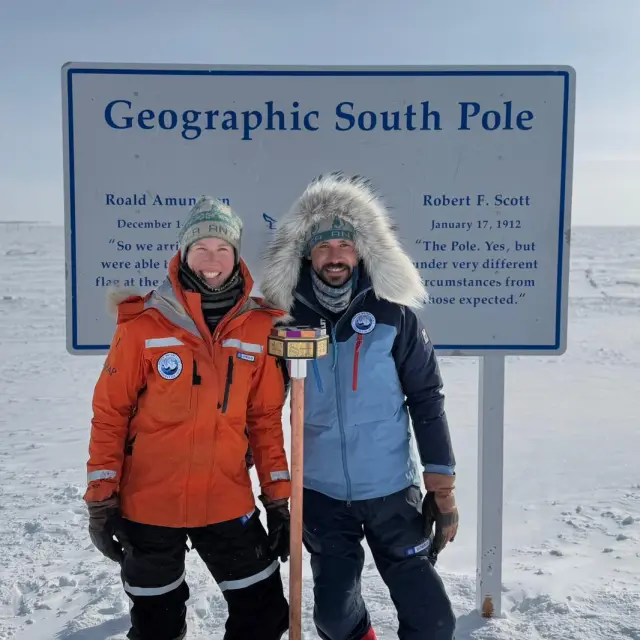
After reaching the Geographic South Pole, the iconic point marking the Earth’s axis of rotation, Heïdi Sevestre and Matthieu Tordeur continued their journey across the Antarctic continent. Despite challenging conditions, including overcast skies, difficulties recharging scientific equipment batteries, and occasional communication outages, they maintained their research programme and redeployed their deep-penetrating radar. Reaching depths of up to 110 metres, the instrument enabled them to study the internal layers of the ice sheet and map the bedrock lying beneath the Antarctic ice cap.

Final destination Hercules Inlet

As they approached the Antarctic coast, the Ellsworth Mountains emerged on the horizon, signalling that the expedition was drawing to a close. Reaching Hercules Inlet, on the Filchner–Ronne Ice Shelf, proved particularly challenging due to the numerous crevasses crossing the route.

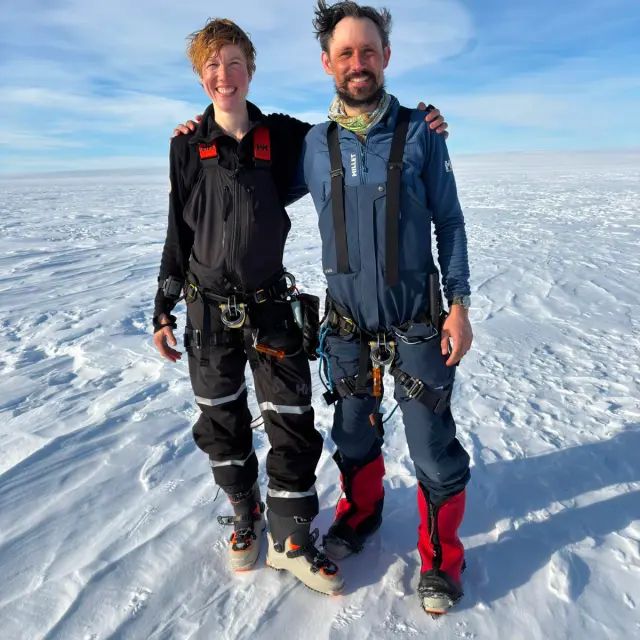
On 21 January 2026 at 8:50 p.m. (French time), after 80 days of expedition travel and 4,000 kilometres covered, Heïdi Sevestre and Matthieu Tordeur arrived at Hercules Inlet. Under Antarctica thus became the first French crossing of the Antarctic interior by kite-ski, as well as the first kite-ski expedition dedicated to advancing polar science.

The adventure continues

Three months after their return from Antarctica, the Under Antarctica expedition entered a new phase: the analysis and dissemination of the data collected during the 80-day crossing.

This work is expected to lead to several scientific publications, notably on the methodology of data collection by kite-ski, an innovative approach to conducting research in polar environments, as well as on the long-term educational impact of the programme delivered to young participants.

While the field expedition has come to an end, the adventure continues in new ways: through research institutes, universities and classrooms, as well as through public events, media appearances and conferences, including Matthieu Tordeur’s presentation at the International Adventure and Discovery Film Festival in Val d’Isère.

A large-scale international educational commitment

The crossing also marks the conclusion of the Polar Witnesses educational programme: 8 educational booklets, more than 300,000 young people reached in 40 countries, and numerous live exchanges between classrooms and the explorers.

In Val d’Isère, this commitment takes on its full meaning: connecting the mountains with science, adventure with knowledge-sharing, and offering younger generations inspiring stories rooted in reality.

Flocon Vert Val d’Isère's commitment to sustainability

For several decades now, Val d’Isère has been actively involved in the protection of its exceptional environment, with 60% of the territory classified as a protected natural area. Our destination is proud to boast the Flocon Vert label, and is audited and supported by the Mountain Riders association to ensure sustainable and measurable actions.

Supporting a scientific expedition like Under Antarctica aligns with this same approach, connecting the mountain world with the realm of research, to prepare for the future of generations to come.

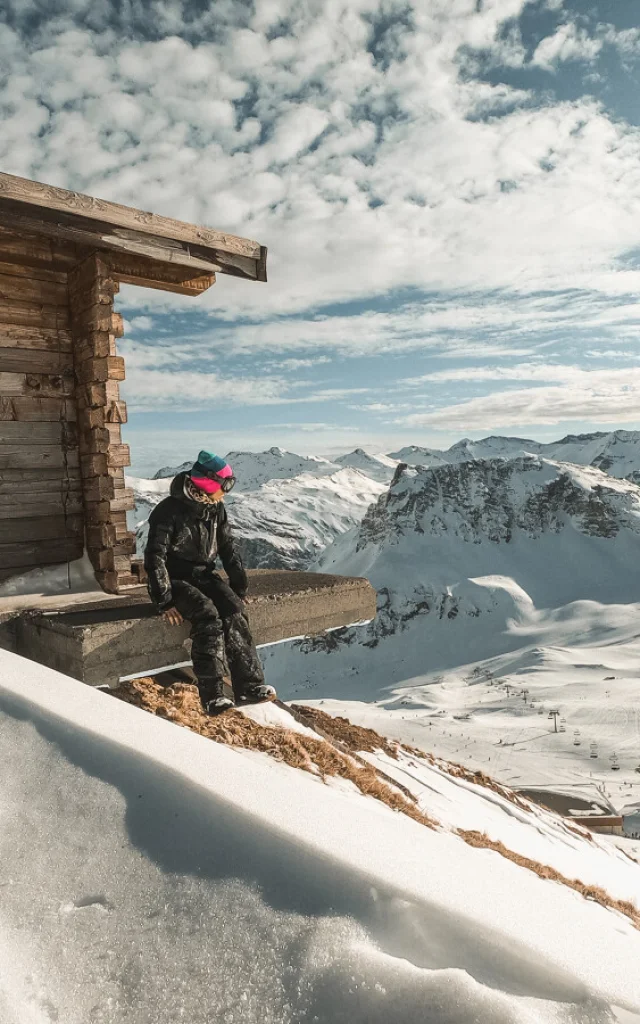
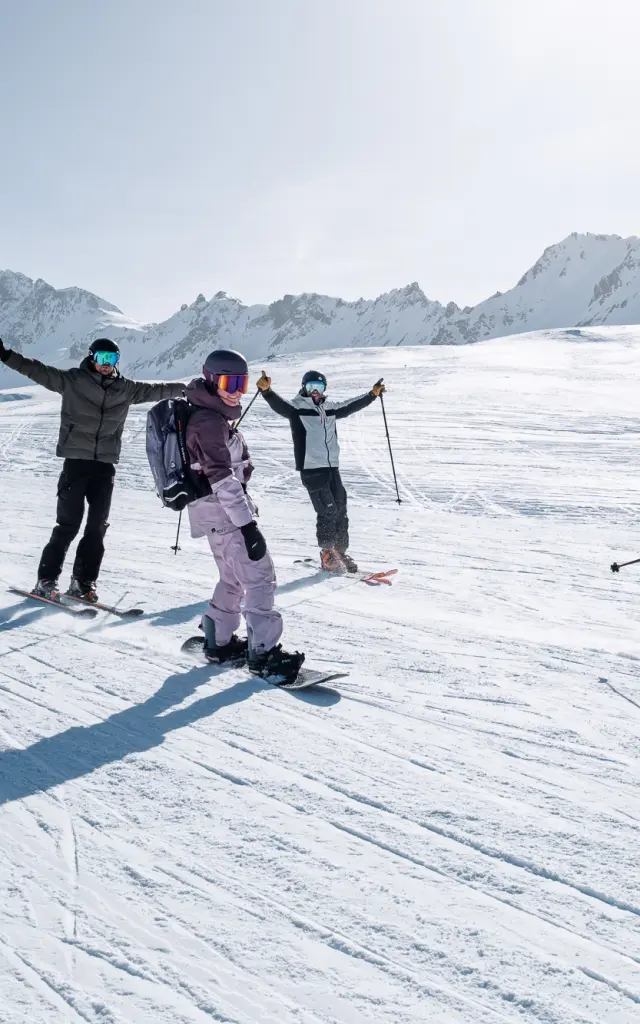
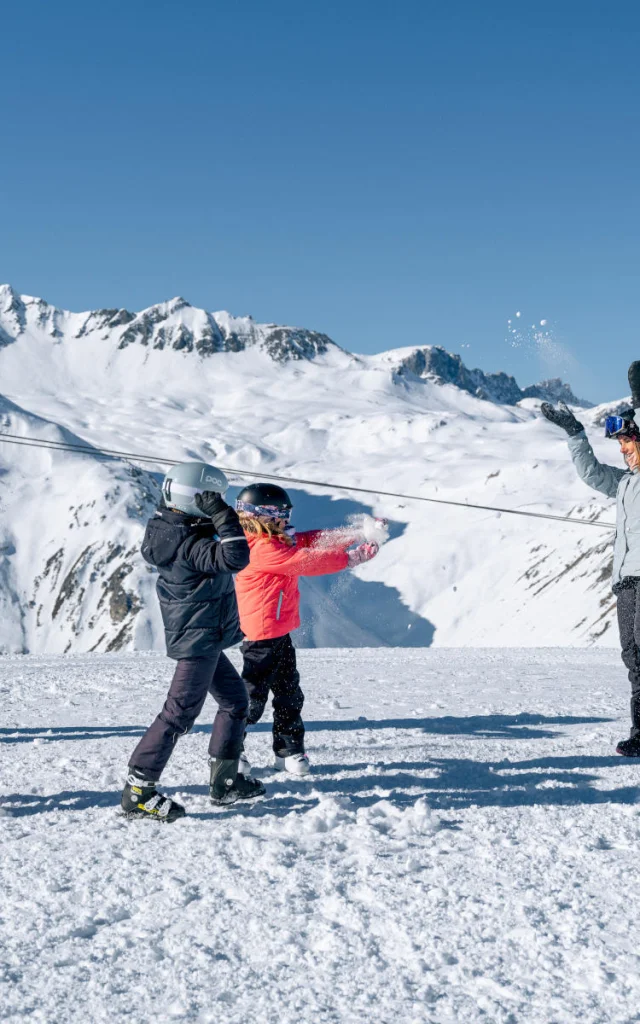
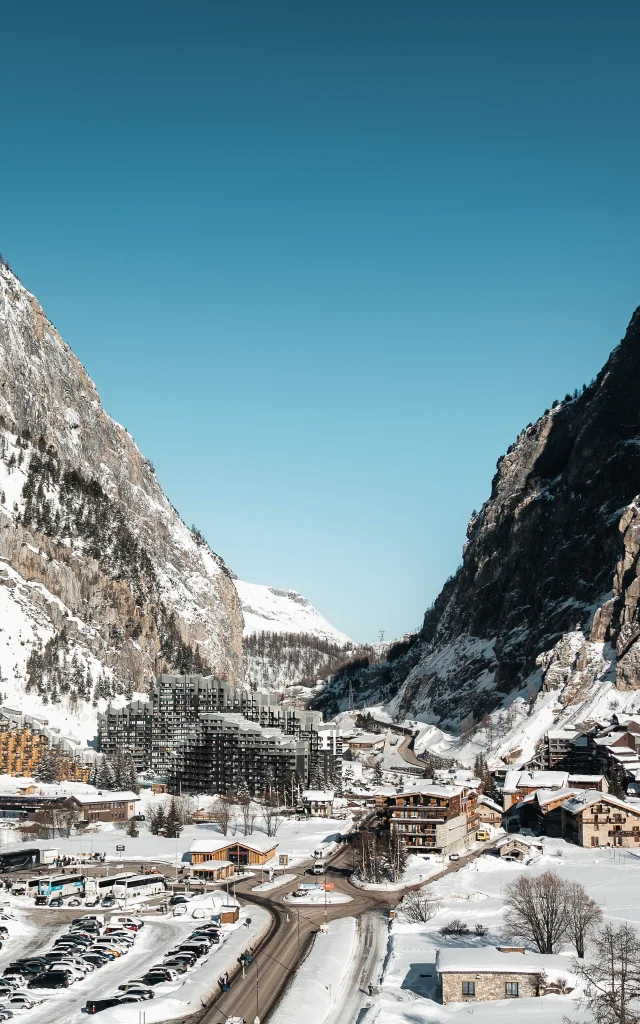
Discover the village of Val d'Isère in winter

Val d’Isère is committed to preserving its authentic, pioneering spirit and to making sure you enjoy the true mountain experience.