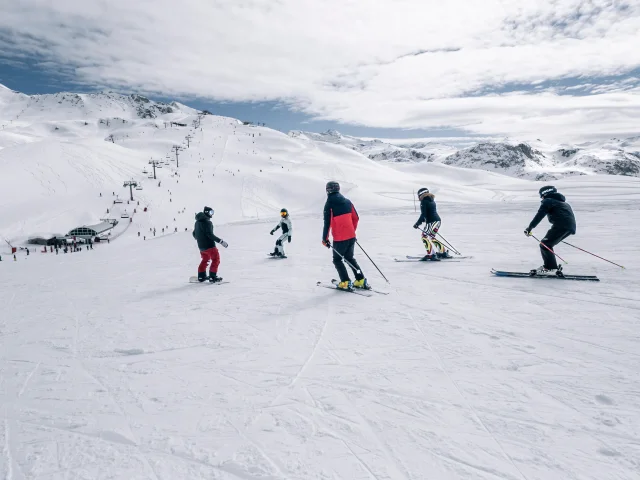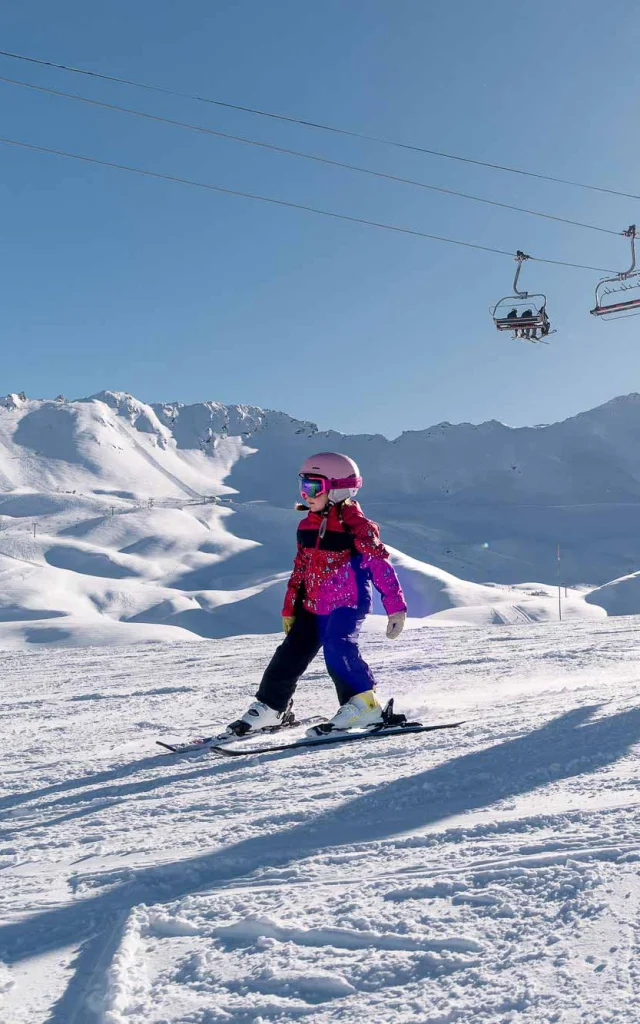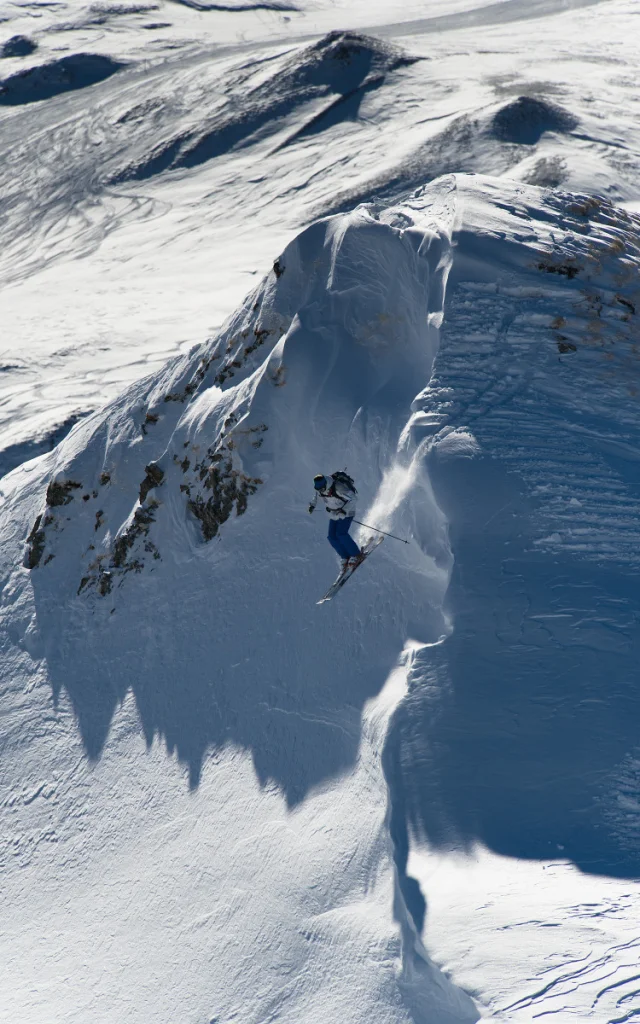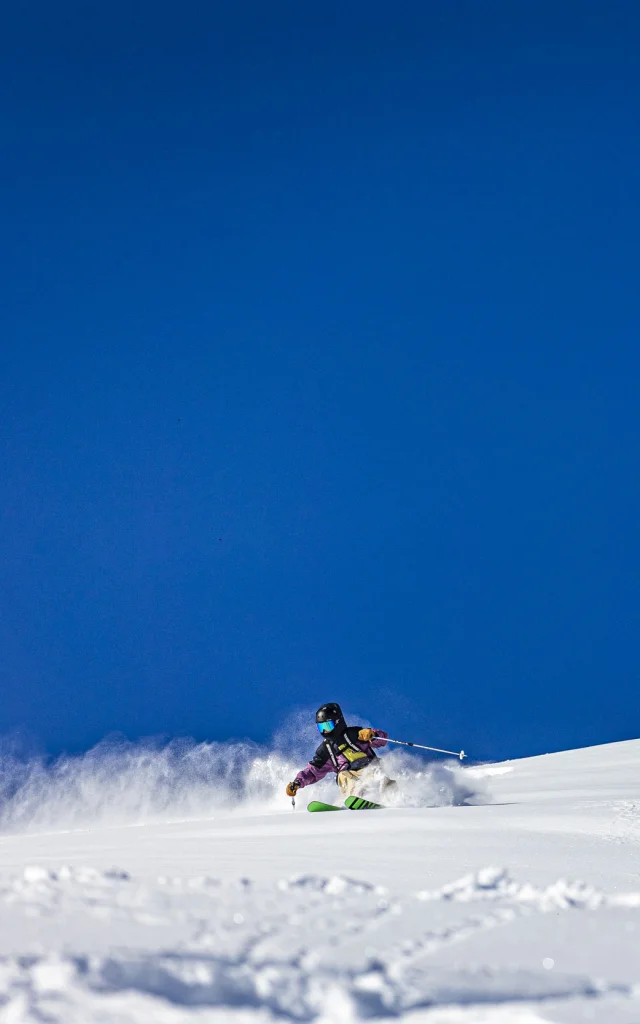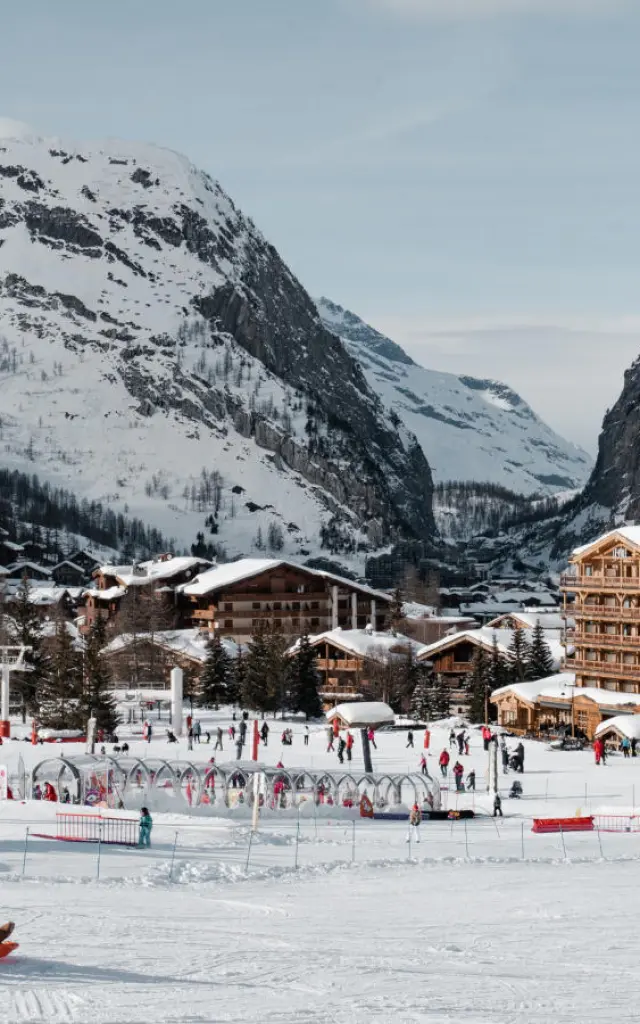

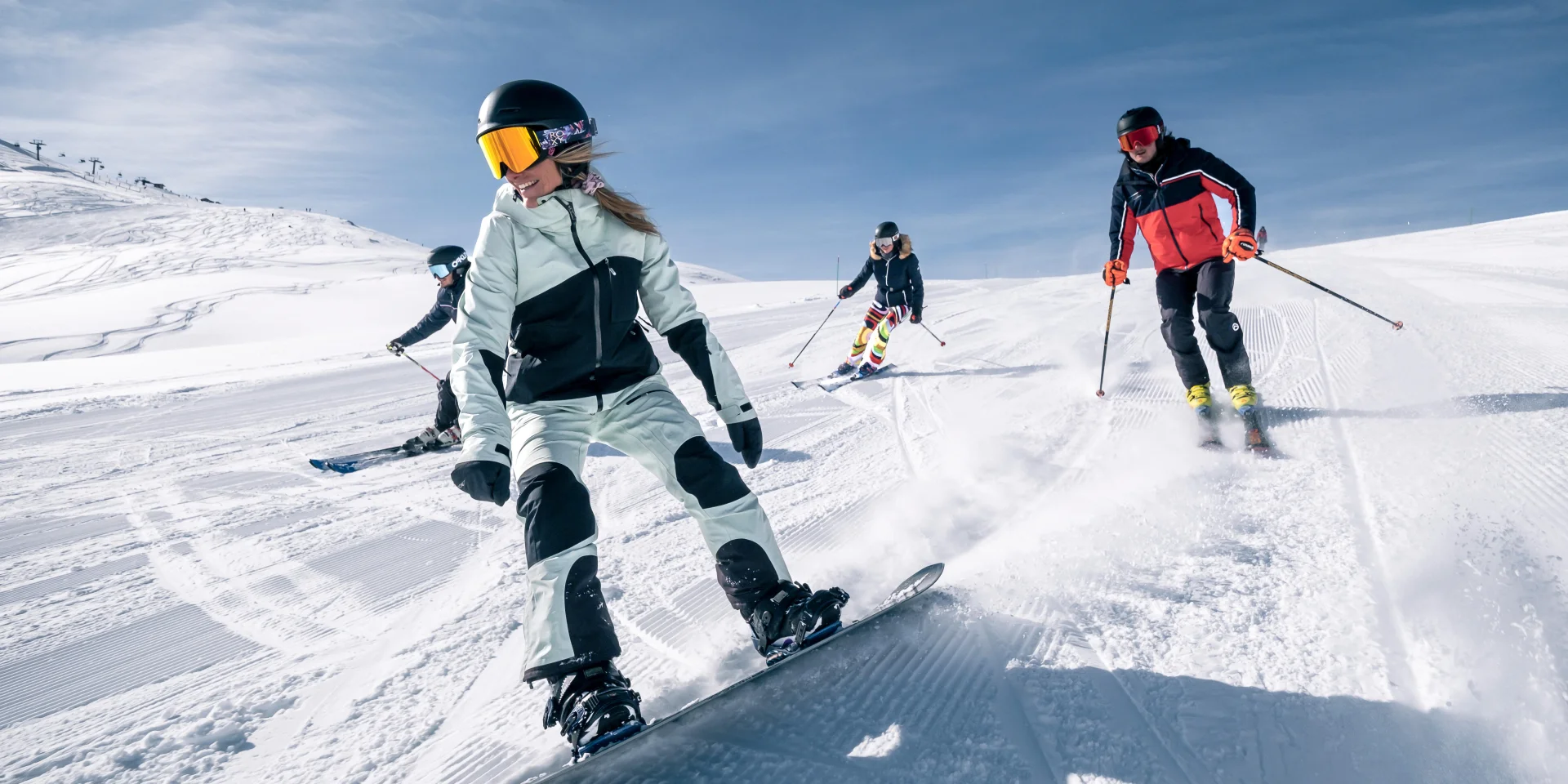
Skiers and snowboarders on the slopes of Val d'Isère Dsf4169
© Skiers and snowboarders on the slopes of Val d'Isère|Tristan Shu

The 10 rules of good conduct on the ski slopes

So that skiing remains a pleasure and everyone stays safe, here’s a reminder to wintersports fans of the International Ski Federation’s Code of Conduct on the slopes.

1. Control of speed when skiing or snowboarding

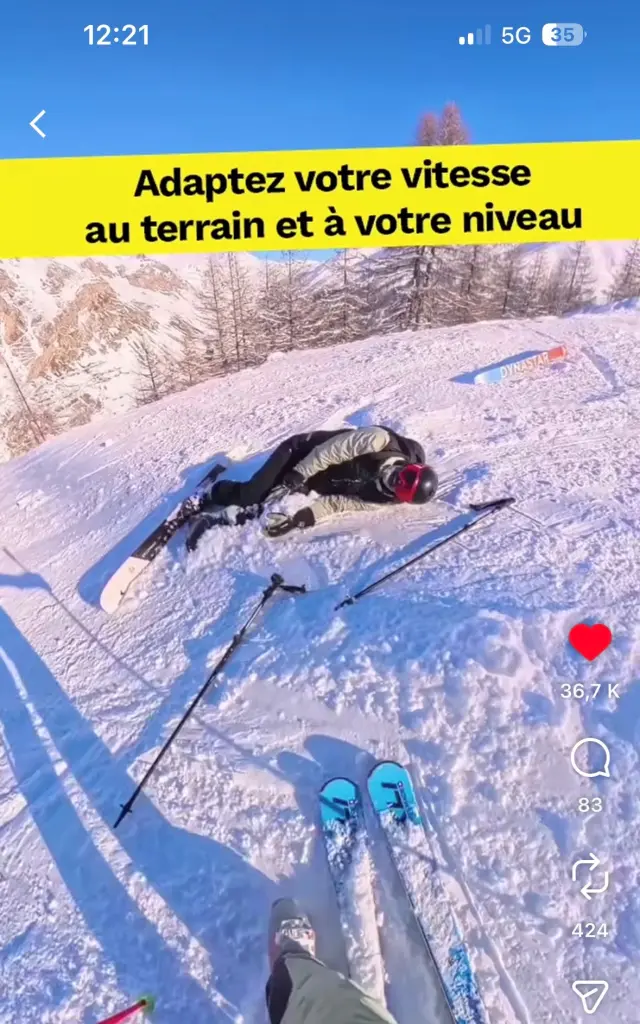
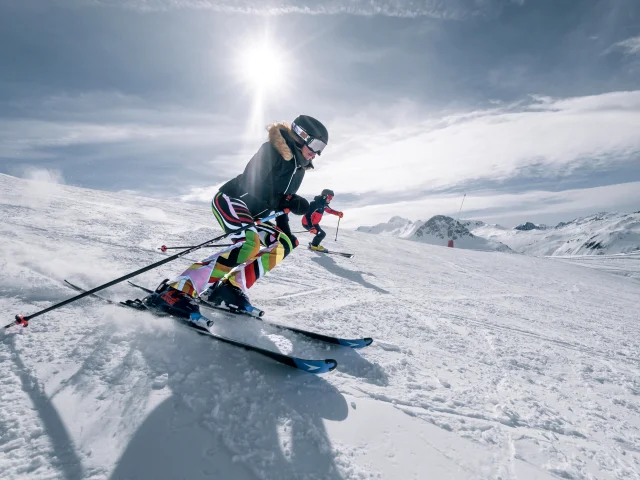
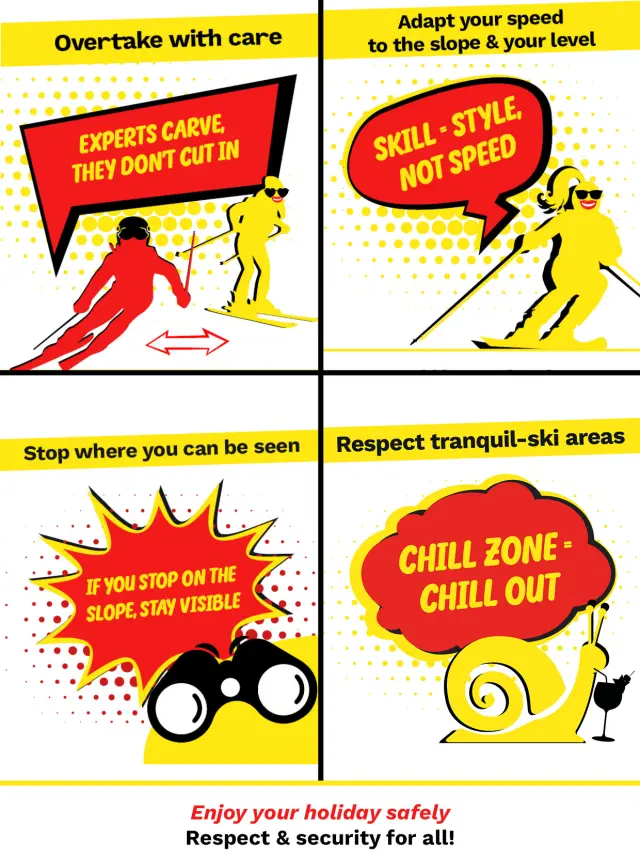
A skier or snowboarder must stay in control. He or she must adapt their speed and manner of skiing or snowboarding to their personal ability and to the prevailing terrain. In other words, do not schuss down a slope at full speed in the middle of the February holidays, especially if you haven’t yet mastered stopping. Skiers must take their level into account and not try at all costs to follow their friends who are more experienced skiers…

2. Stopping

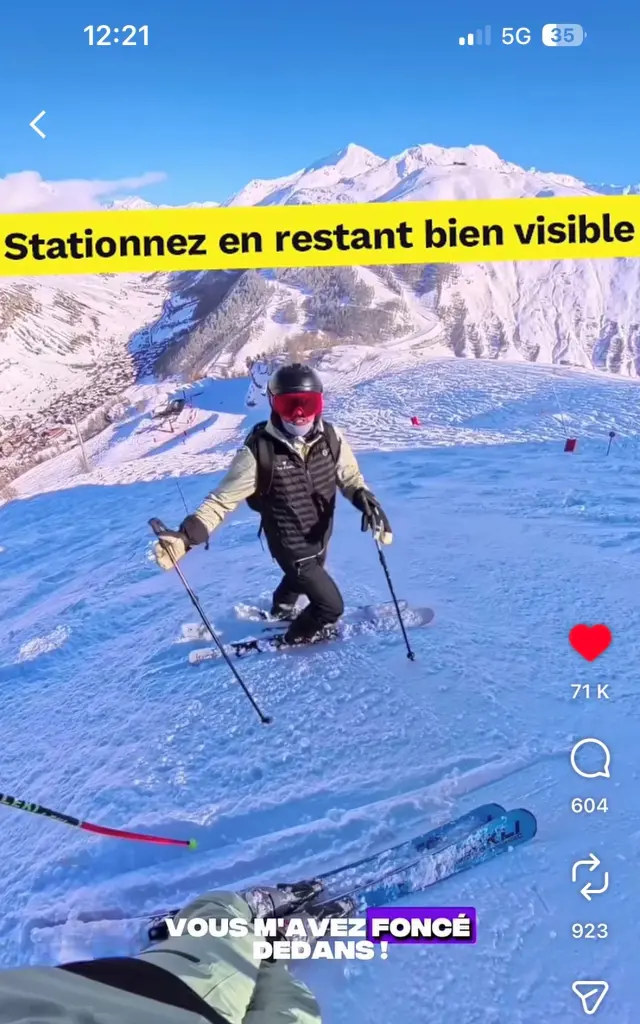
The skier or snowboarder must avoid stopping in narrow places or where visibility is restricted. After a fall, they must move clear of the slope as quickly as possible. Do not stop behind a mogul, for example, as this could end in disaster if another skier or snowboarder approaches at high speed.

3. Respect the skiers you overtake

A skier or snowboarder may overtake another skier or snowboarder above or below and to the right or to the left provided that they leave enough space for the overtaken skier or snowboarder to make any voluntary or involuntary movement, as in the case of a vehicle overtaking a cyclist.

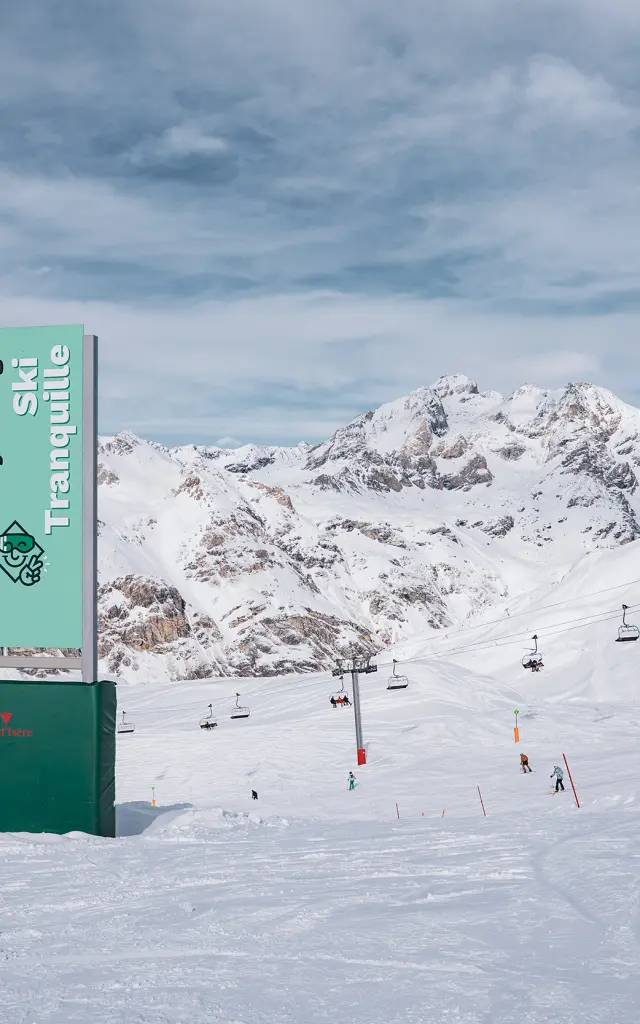
4. Respect quiet zones

Beginner areas are designated spaces for skiing in a calm and safe environment.
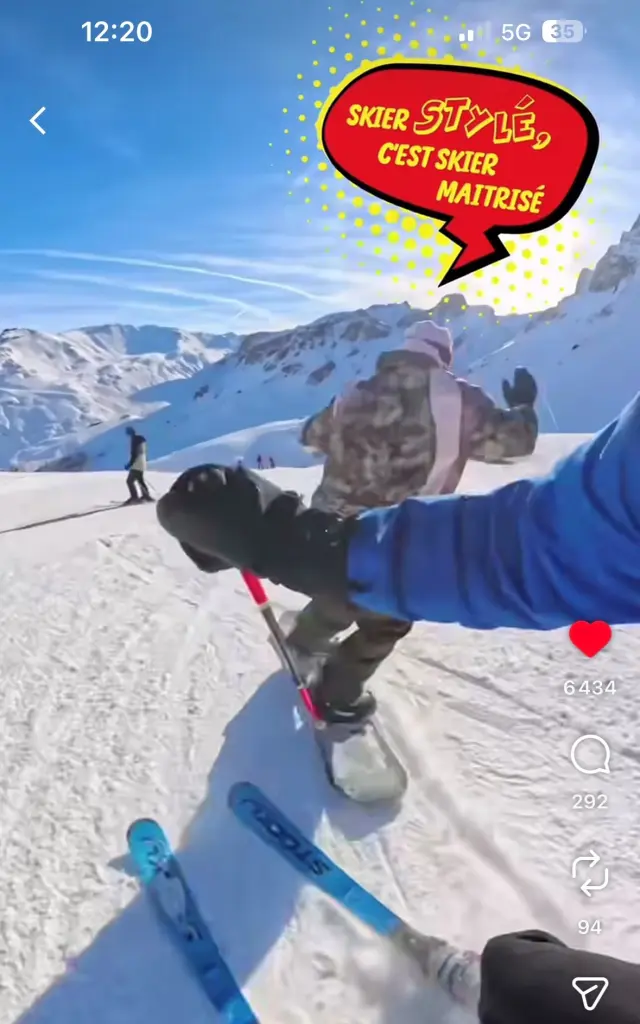
4 videos to remember the right reflexes

To make slope safety even more concrete and accessible to everyone, we co-created a series of short video capsules with the French Ski School (ESF) of Val d’Isère. Each video features real-life situations and simple tips to remember, so you can fully enjoy the ski experience while respecting best practices on the mountain.

1️⃣ Speed & right of way – control your speed and respect the skier below you
2️⃣ Trajectories & overtaking – anticipate, cross and pass safely
3️⃣ Stops & signage – position yourself correctly and stay visible
4️⃣ In case of an accident – secure the area, alert rescue services, identify yourself

5. Approaching a junction or starting off

After stopping or when approaching a place where slopes cross, the skier must check uphill and downhill to ensure they are not putting themselves or others in danger, just like when driving a car.

6. Choice of route for the skier coming from behind

Other skiers ahead of you have priority. The skier who is behind (uphill) is in a position to choose their trajectory and must pick their route in such a way as to not endanger skiers or snowboarders ahead of them (downhill). The skier ahead cannot see behind, it is therefore up to the uphill skier to avoid collision.

7. Respect for others

A skier or snowboarder must behave in such a way that he or she does not endanger or prejudice others.

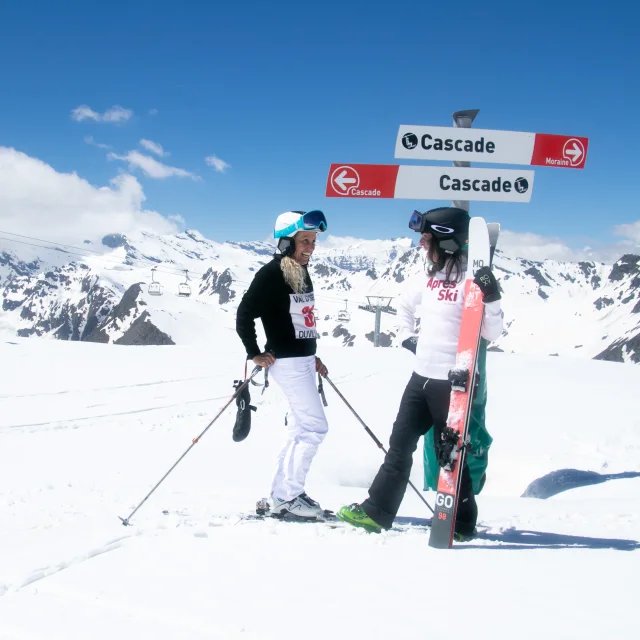
8. Respect for information panels and markers

The skier must heed warnings about weather conditions, the state of the slopes and the quality of the snow, and must comply with markers and signage. Do not enter a slope that has been closed.

9. Assistance

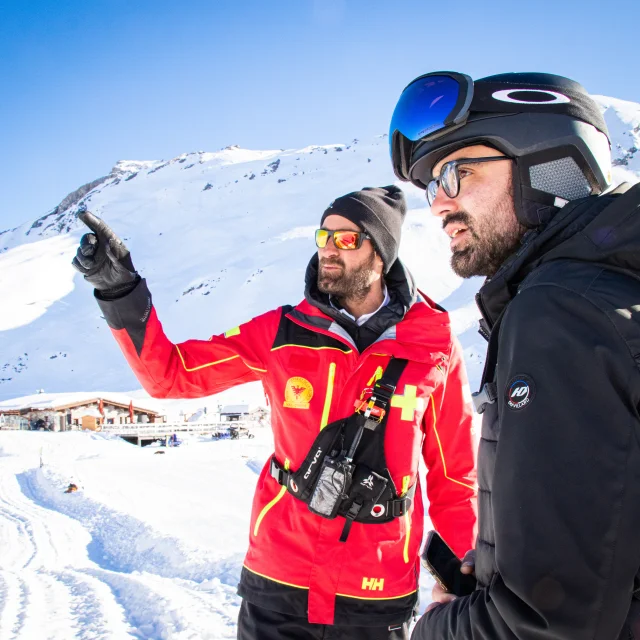
Any skier who witnesses an accident must render assistance by raising the alert. If necessary, they must remain at the disposal of the rescue team, if requested to do so, just as they would in everyday life.

10. Identification

After an accident, the skier, whether a responsible party or just a witness, must make themself known to the rescue service and/or third parties.

Experiences in Val d'Isère

What if your vacations were all about sharing, pleasure and discovery? Let our inspirations be your guide and make your wildest desires come true!