
©️yann Allegre Gypaete 2023

Reproduction of the Bearded vulture in Val d'Isère in 2026

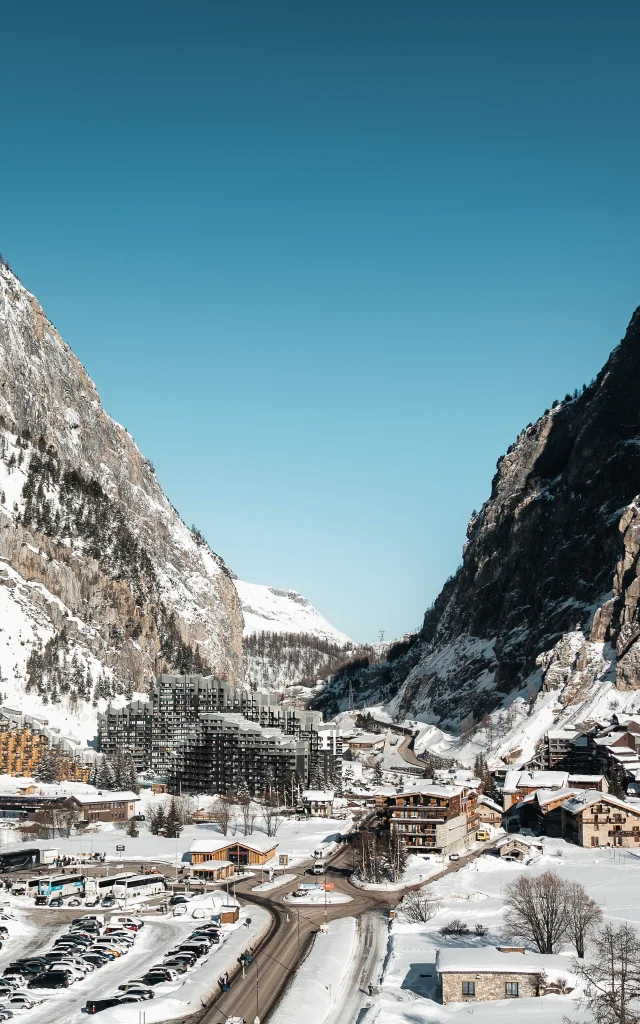
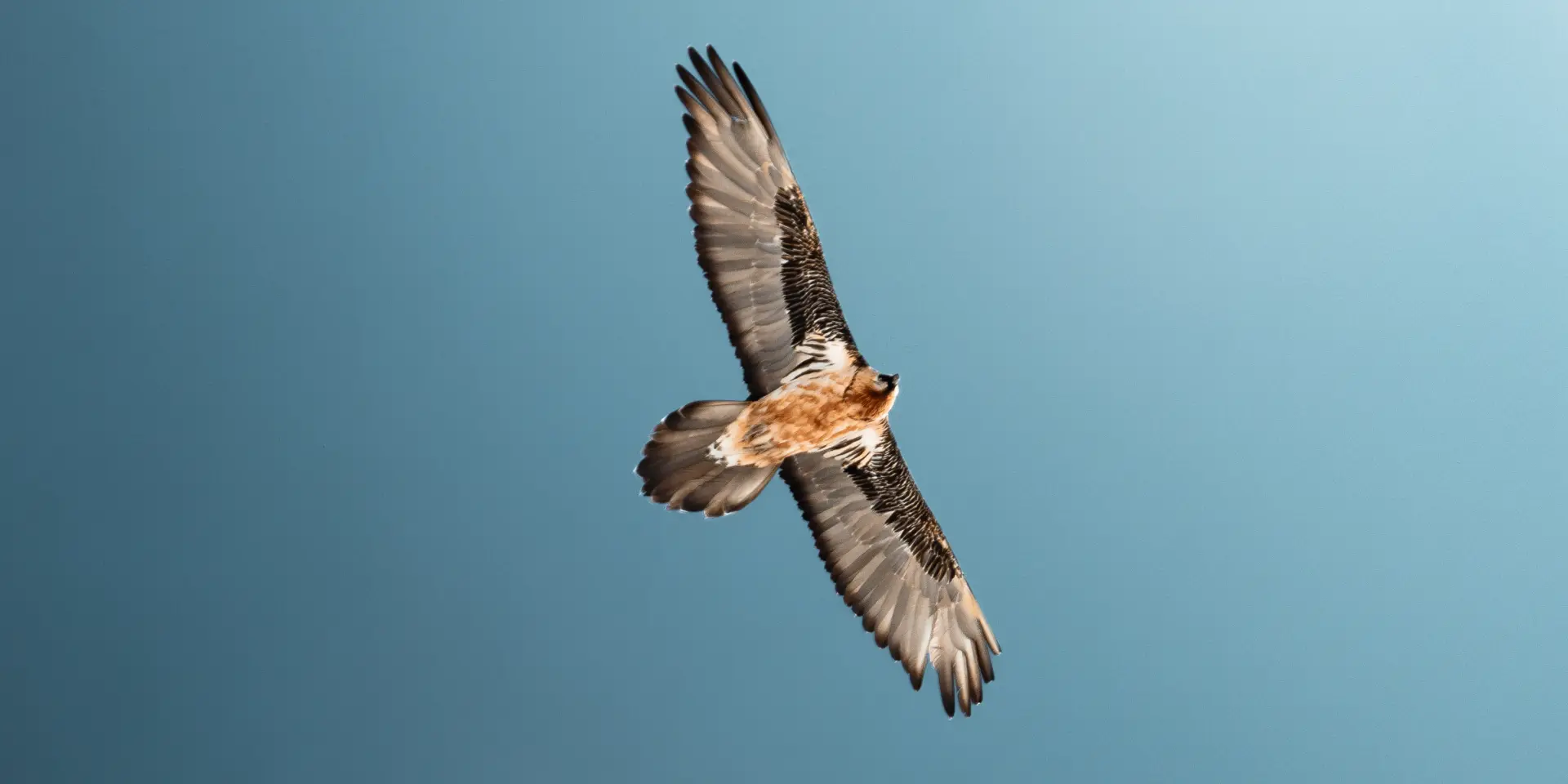
The majestic and elusive bearded vulture, a true symbol of the Alpine wilderness, is back in the Daille gorges. In Val d’Isère, the new breeding season is in full swing, and now more than ever, our shared care and attention are vital to support this extraordinary cycle of life.

Winter-spring 2026, a key period for the bearded vulture's reproduction  in Val d'Isère

A promising start to the incubation period in the Daille gorges

Observations made at the end of 2025 are very encouraging: Val d’Isère’s pair of bearded vultures have begun incubating their eggs in the Daille gorges, around the same period as last year. A sign of stability and proof that the birds feel safe in this protected territory.

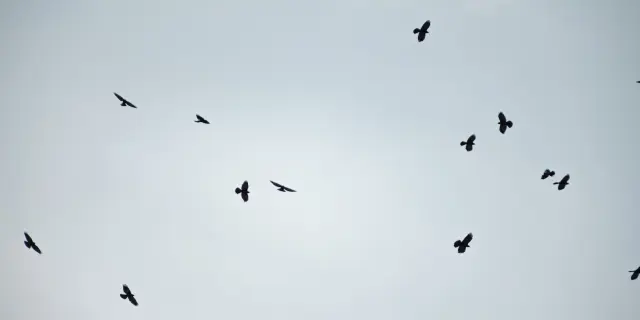
This new season confirms the positive trend observed across Savoie. Following the successful 2025 breeding season, during which seven juvenile bearded vultures flew the nest here, the region’s 11 breeding pairs are now entering a crucial phase of their cycle: nest replenishment, mating and incubation.

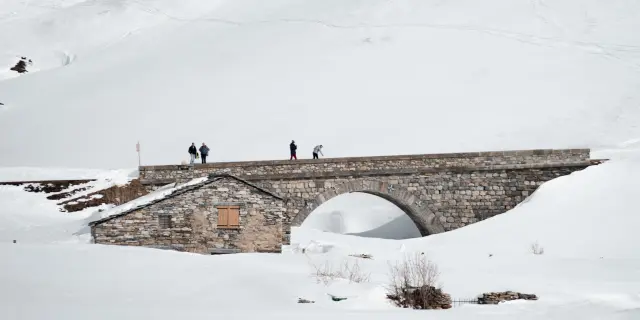
Why is calm so vital to the bearded vulture?

The bearded vulture, a protected species, is highly sensitive to disturbance and requires absolute tranquillity throughout its breeding season.
For this reason, since early November 2025, the Major Sensitivity Zones (MSZs) for this species have been reactivated — a total of 19 zones across the region.

Within these zones, any activity likely to disturb the birds is strictly prohibited, including:

  • Skiing or walking through, or lingering;
  • Noisy activities;
  • Motorised overflights within 1,000 metres of the ground, and in some cases 2,200 metres, specifically in the Daille gorges MSZ.

Observing these rules increases the bearded vulture’s chances of reproducing successfully… thus contributing directly to the preservation of Alpine biodiversity.

2026 MSZ calendar Be aware!

The Major Sensitivity Zone initiative evolves over the course of the season:

  • As of 1 March 2026: MSZs that are unoccupied or where breeding failed during the first phase are deactivated.
  • Until 31 March 2026: Occupied MSZs remain active, as replacement eggs may be laid up to this date.
  • After 31 March 2026: Occupied MSZs remain in place until the fledglings take flight, potentially as late as 31 August in the case of the bearded vulture.

Bearded vulture chicks in Vanoise Young adventurers of the skies

Thanks to GPS monitoring, we can already trace the fabulous adventures of some of the young bearded vultures that have hatched in recent years:

  • Dôme (2022) went to explore Austria before returning to the Matterhorn area.
  • Erasmus (2023) is also in Switzerland, not far from the Matterhorn.
  • Esprit (2023) is currently in the Mercantour skies, around Saint-Étienne-de-Tinée.
  • Fortiche (2024) is exploring the Écrins National Park after a spell in Switzerland.
  • Farra (2024) is also in the Écrins sector, near Embrun.
  • Grapillon (2025), the youngest arrival in the Daille sector of Val d’Isère, has already visited Castellane, Alpe d’Huez and even approached the Mediterranean.


Maintaining a fragile balance together

In Val d’Isère, the mountains offer a sense of freedom… but also command responsible behaviour from us all. By observing the Major Sensitivity Zones, we can all contribute to protecting the balance of life, so that sports activities and outdoor adventures may coexist in harmony with the region’s biodiversity.

Thank you all for your attentive commitment in supporting the bearded vulture, icon of the Alpine wilderness and symbol of the challenging but deeply inspiring mountain habitat.

Must-do experiences in Val d'Isère

If you agree that holidays are made for sharing, enjoying yourself and making new discoveries, take inspiration from us! May your craziest wishes come true!